The P229F → P20EE → P2BAD Cascade — Reading's Most Common Fault Chain
Every Reading AdBlue callout follows roughly the same diagnostic story. The upstream or downstream NOx sensor (one of the two most failure-prone components on a Euro 6 diesel) drifts out of spec and triggers P229F · NOx Sensor Signal Too Low. The ECU initially compensates by increasing AdBlue dosing — but this in turn over-saturates the SCR catalyst, the conversion efficiency drops, and P20EE · SCR NOx Catalyst Efficiency Below Threshold (Bank 1) arrives a few weeks later. By that stage the OBD-II monitor logs P2BAD · NOx Exceedance, the Euro 6 anti-tamper logic activates, and the countdown screen ('Engine start prevented in 1,100 miles') begins.
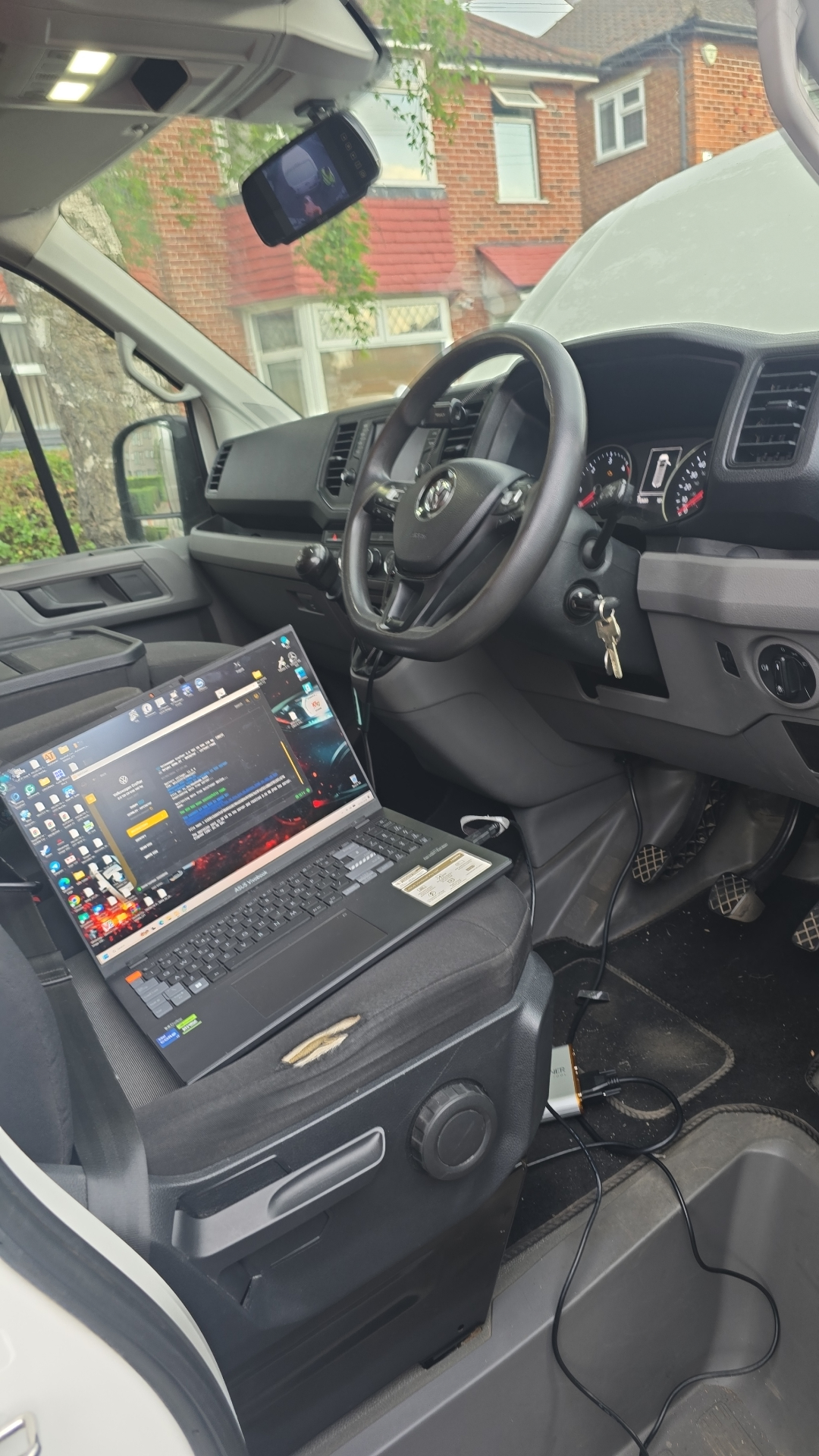
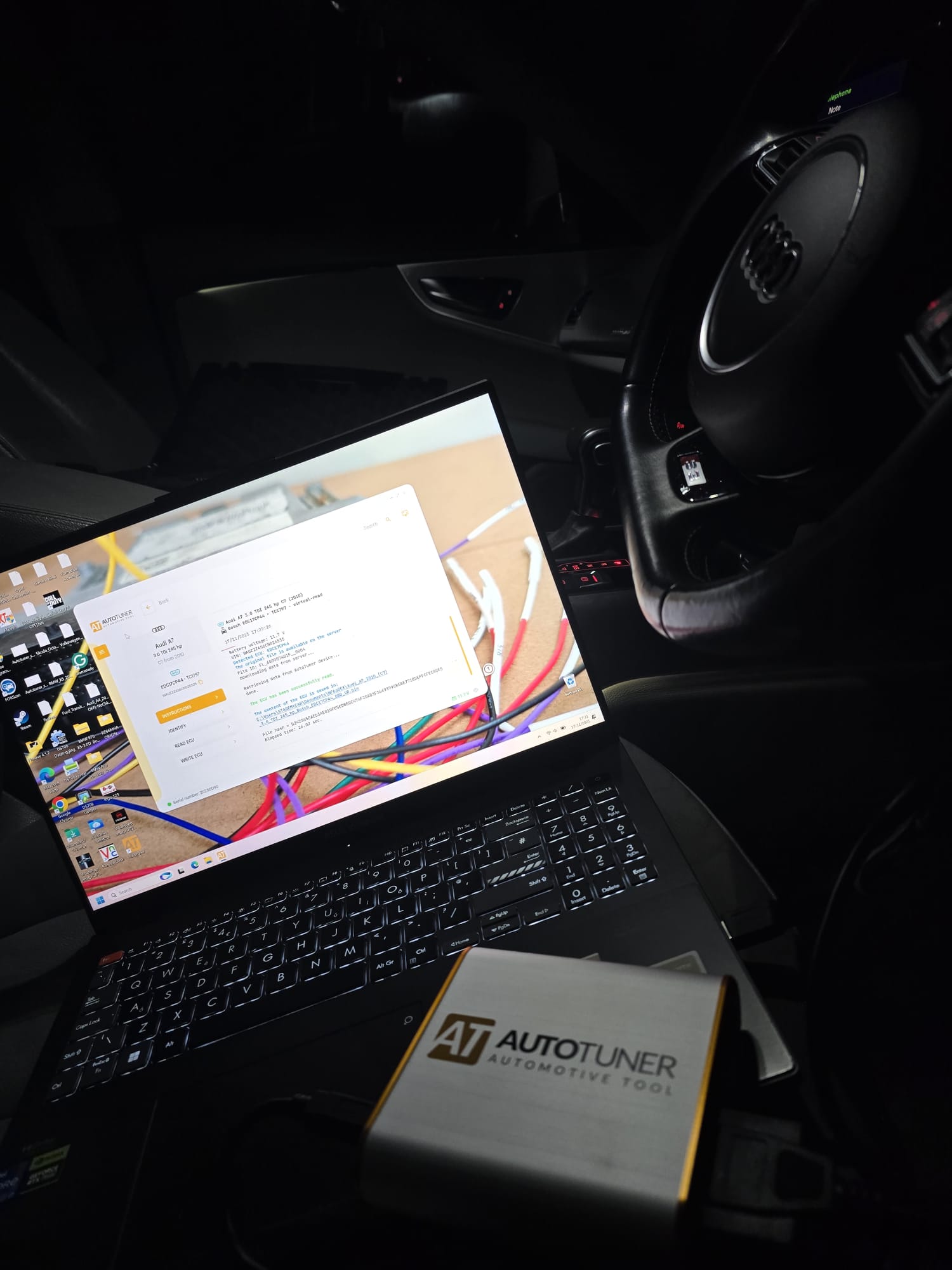
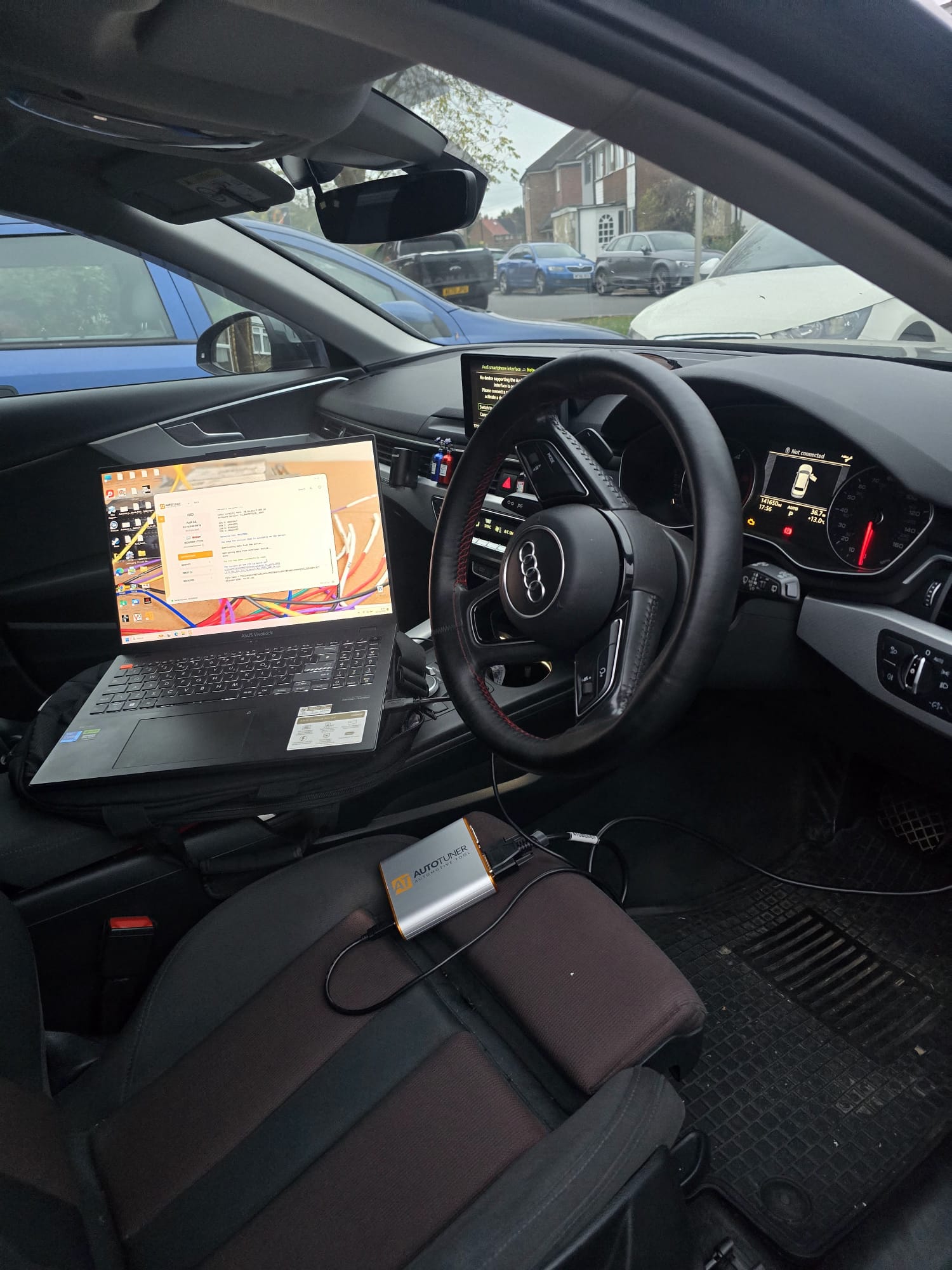
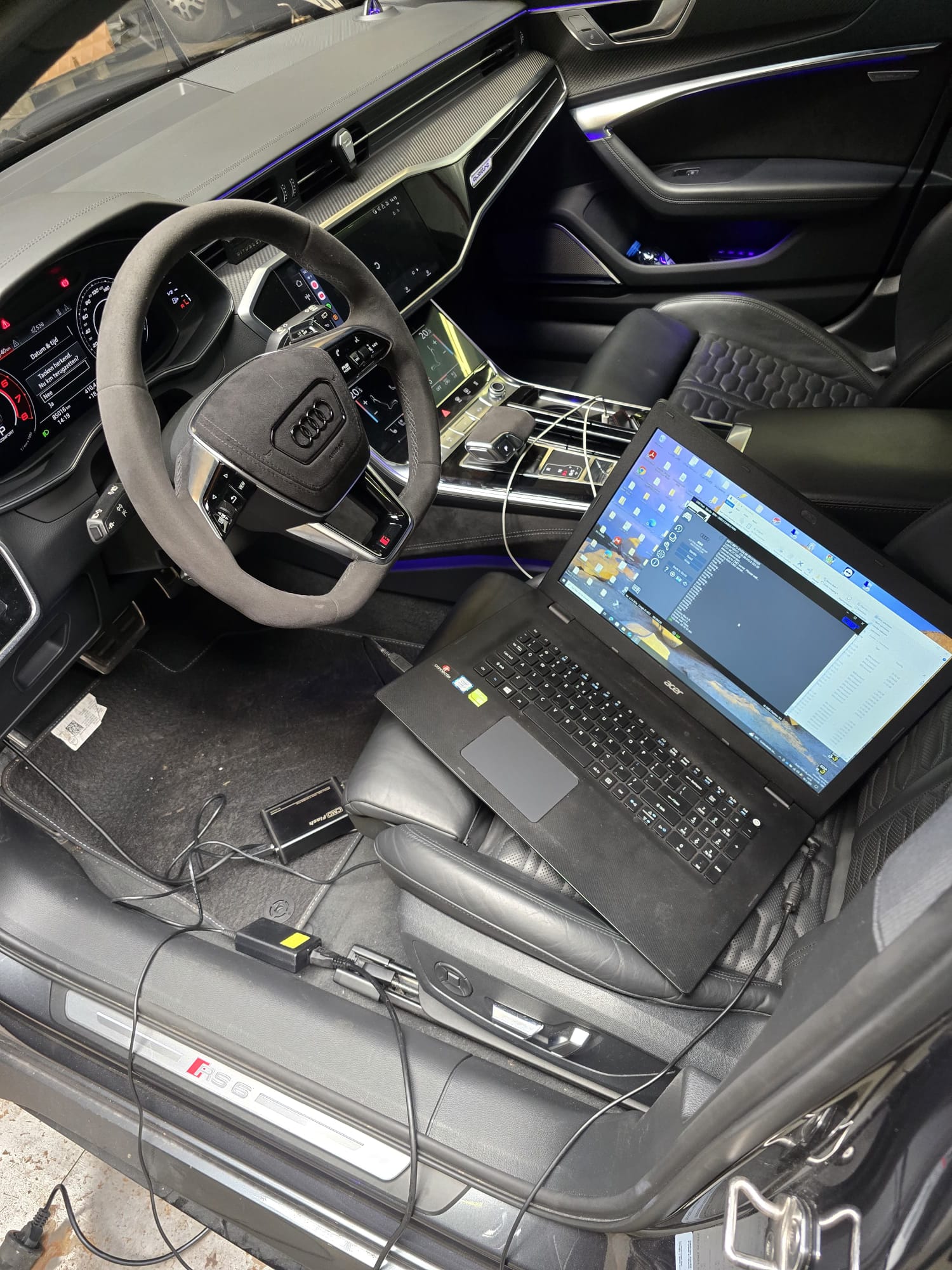
On a 2014–2019 BMW B47, Mercedes OM651/OM654 or Ford 2.0 EcoBlue (Transit Custom / Ranger / Kuga / Edge), the dealer fix is rarely 'just replace the sensor'. The standard dealer pathway is NOx Sensor 1 + NOx Sensor 2 + AdBlue tank heater + injector + SCR catalyst — typically £1,800–£2,400 with no MPG benefit and a 30–40% chance of recurrence within 18 months because the underlying calibration is unchanged. Our mobile remap removes the AdBlue dosing demand from the ECU map, disables the SCR monitors cleanly so no fault codes return, and either retains or removes the physical AdBlue tank depending on your preference. Result: no warning lights, no countdown, no MPG penalty, and a typical 4–7% torque increase on the same factory injectors and turbo.